From Gothic Drama to Rock Opera
AMC's Interview with the Vampire is gearing up for its most ambitious transformation yet with season 3, officially titled The Vampire Lestat. According to reports, the upcoming season represents a major reinvention of Anne Rice's vampire mythology, shifting from the introspective, trauma-focused storytelling of previous seasons into what's being described as a theatrical, music-led character spectacle.
The series is pivoting from its foundation of memory, trauma, and confession to embrace ego, performance, and rock-star mythmaking as Lestat takes center stage with his own version of events.
Music as Storytelling Device
At the heart of this transformation is composer and co-writer Daniel Hart, who has taken on an expanded creative role that extends far beyond traditional scoring. According to reports, Hart's influence now shapes not just the musical elements but the writing, performances, costumes, and overall production design of the series.
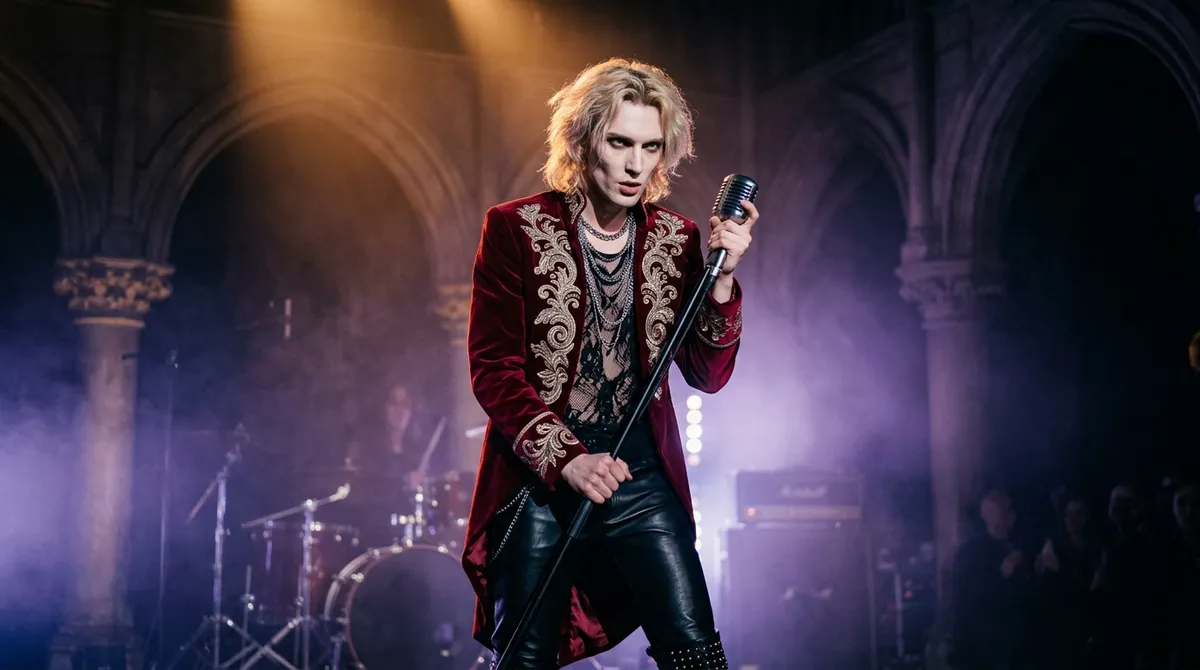
The integration of rock music serves a dual purpose in season 3, functioning both as a plot device and a window into Lestat's psychology. Reports indicate that Lestat's music becomes central to how he presents his unreliable version of events, turning the narrative into what's being characterized as a vampire rock opera.
Sam Reid's Rock Star Transformation
Star Sam Reid is reportedly undergoing a significant transformation to embody Lestat as a rock star. This evolution represents a departure from the character's previous presentations, emphasizing the performative and egotistical aspects of the vampire's personality as he takes control of his own story.
The shift reflects the broader change in perspective that defines season 3, moving away from the confession-booth atmosphere of earlier seasons to embrace Lestat's more flamboyant and self-aggrandizing nature.
Visual Spectacle and Production Design
The visual world of The Vampire Lestat is reportedly expanding to match its musical ambitions. According to reports, season 3 will showcase diverse settings ranging from French chateaus to modern rock clubs, creating a visual palette that supports the show's new direction.
This expanded scope reflects the series' evolution from intimate character studies to broader theatrical storytelling, with production design elements specifically crafted to complement the rock-music-driven narrative.
Building Fan Anticipation
The marketing campaign for The Vampire Lestat is already generating significant buzz among fans. Reports indicate that teaser drops, casting reveals, and song releases are building anticipation for what's being positioned as the show's boldest pivot yet.
This strategic approach to promotion emphasizes the musical elements and Lestat's rock-star persona, preparing audiences for a dramatically different viewing experience compared to previous seasons.
A Creative Risk Worth Taking
By transforming Anne Rice's beloved vampire chronicles into a music-centric spectacle, AMC appears to be taking a calculated creative risk. The shift from the psychological depth and trauma-focused narratives that defined earlier seasons to a more theatrical, performance-driven approach represents a significant departure from the show's established formula.
However, this reinvention aligns with the source material's exploration of Lestat as a character who thrives on attention and performance. The rock opera format provides a natural vehicle for exploring his ego and his need to control the narrative of his own existence.
What This Means for the Series
The transformation into The Vampire Lestat signals a new chapter for the AMC series, one that prioritizes spectacle and musical storytelling over the intimate confessional style of previous seasons. With Daniel Hart's expanded role bridging composition and creative direction, the show is positioning itself as a unique entry in the vampire genre.
As the series prepares to launch this bold new direction, it remains to be seen how audiences will respond to the shift from gothic drama to rock-infused theatrical performance. The success of this reinvention could establish a new template for adapting Anne Rice's expansive vampire mythology.