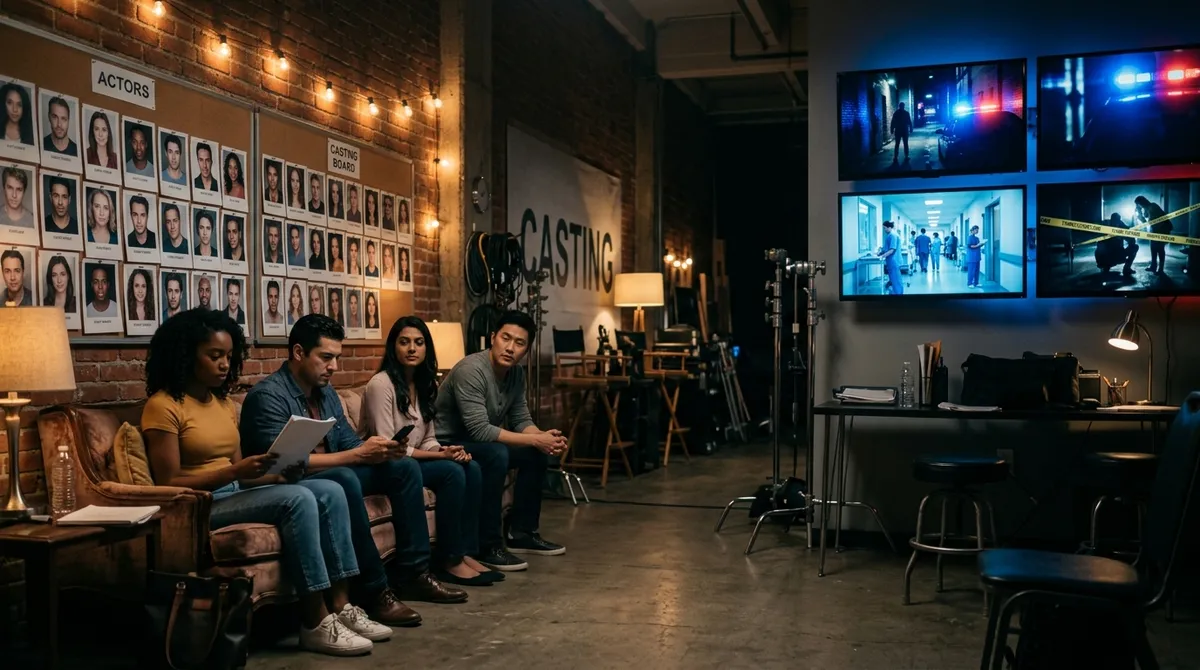
The Fast-Paced World of Procedural Casting
At this year's ATX TV Festival, casting directors behind some of television's most popular procedural shows pulled back the curtain on one of Hollywood's most demanding yet rewarding processes. CSA members Eric Souliere, Veronica Collins Rooney, and Rebecca Mangieri, who work on hit series including 9-1-1, Tracker, Fire Country, Chicago Med, and S.W.A.T., revealed how the relentless pace of procedural television creates unique opportunities in today's entertainment landscape.
According to the panel discussion, casting directors in this genre face an extraordinary challenge: completing the casting process for an entire episode in just four days. This breakneck speed reflects the high-volume nature of procedural television, where shows typically produce 18 to 22 episodes per season compared to the shorter runs common in prestige television.
Procedurals as Hollywood's Hidden Talent Engine
While prestige TV seasons continue to shrink, procedural shows remain one of the few formats maintaining traditional season lengths with constant guest roles. This makes them increasingly important career pipelines for actors, casting teams, and creators trying to understand how television talent is discovered in the modern era.
The panel highlighted how case-of-the-week storytelling keeps casting directors in a perpetual search for fresh faces. Unlike limited series or shorter seasons that may cast once and film over several months, procedurals require a continuous influx of new talent to populate their weekly cases and storylines.
Entry Points in a Changing Industry
According to reports from the festival discussion, procedural television serves as one of TV's best remaining entry points for emerging actors. While the entertainment industry has shifted dramatically toward streaming platforms and limited series, the traditional procedural format continues to offer numerous opportunities for actors to gain experience and exposure.
The casting directors emphasized that the demanding nature of their work, while challenging, creates rare opportunities for emerging talent to get noticed. With multiple episodes in production simultaneously and new characters needed weekly, procedurals provide a steady stream of roles that might not exist elsewhere in today's television landscape.
The Logistics Behind the Scenes
The panel also addressed some of the hidden logistical challenges of procedural casting. One key consideration mentioned was avoiding repeat actors across different shows within the same television universe. This requires careful coordination and record-keeping, especially when multiple procedural series share similar themes or production companies.
Casting directors also discussed the importance of regional authenticity in their work. Making locations and characters feel genuine requires understanding local nuances and finding actors who can believably inhabit specific geographic and cultural contexts.
Understanding the Broader Impact
The insights shared at ATX TV Festival illuminate how procedural television functions as more than just entertainment—it serves as a crucial training ground and discovery mechanism for the industry. For actors seeking practical insight into where early career breakthroughs still happen, procedurals represent a vital pathway that remains robust despite industry changes.
The panel's revelations underscore how the format's demands create a unique ecosystem where speed, volume, and opportunity intersect. As the television landscape continues to evolve, understanding these casting processes becomes increasingly valuable for anyone looking to navigate the entertainment industry.
For industry observers and aspiring actors alike, the ATX TV Festival discussion provided rare insight into one of television's most consistent yet underappreciated talent development systems. The casting directors' expertise highlights how procedural shows continue to play a fundamental role in shaping television careers and discovering the next generation of on-screen talent.