A 1977 Vision That Predicted Today's UFO Discourse
Nearly five decades after its release, Steven Spielberg's Close Encounters of the Third Kind feels remarkably prescient. The 1977 science fiction classic explored themes of government secrecy, UFO sightings, and conspiracy theories—narratives that have become strikingly relevant to contemporary discussions about extraterrestrial contact and institutional transparency in 2026.
According to reports, recent years have witnessed a surge in public interest surrounding UFO phenomena, government disclosure debates, and conspiracy theories about hidden alien contact. This renewed fascination makes Spielberg's decades-old exploration of these themes feel both urgent and culturally significant in today's landscape.
From Fiction to Reality: Government Transparency in Focus
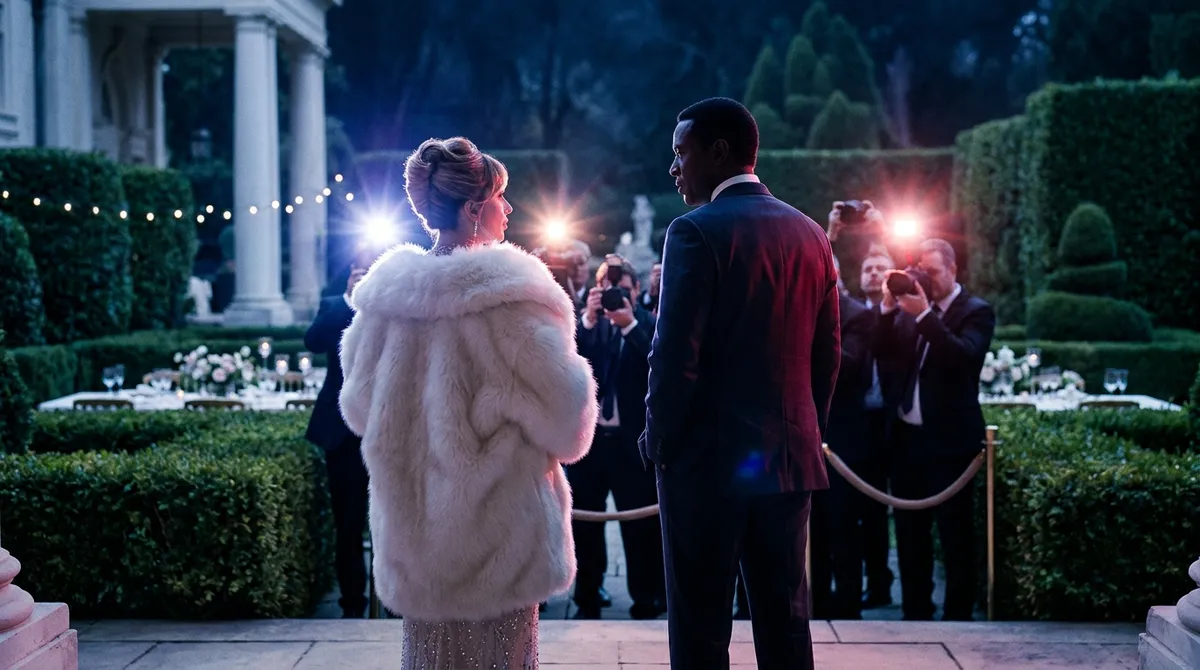
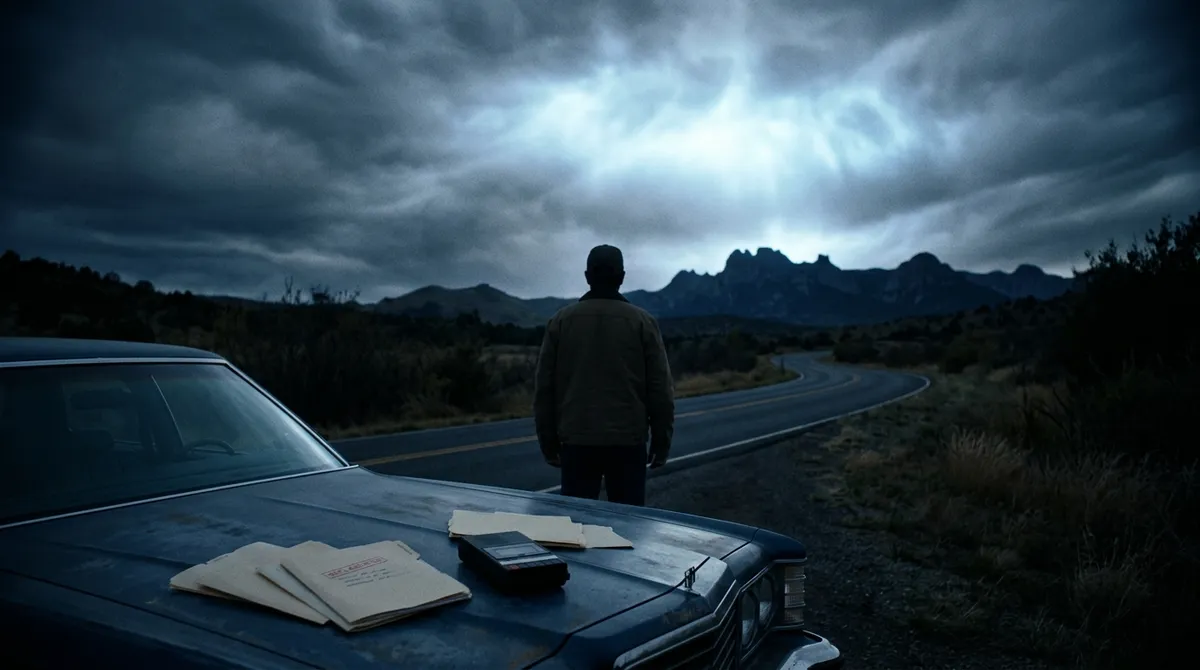
The film's portrayal of government cover-ups has taken on new meaning in light of modern UFO disclosure movements. Close Encounters anticipated many of the transparency debates that dominate today's conversations about what institutions know versus what they reveal to the public.
Spielberg's narrative template—depicting ordinary people discovering truth while facing institutional denial—continues to resonate in contemporary conspiracy narratives. This storytelling approach has become a foundational element in how audiences process and understand claims about hidden information and government secrecy.
Visualizing First Contact: Spielberg's Lasting Influence
The director's influence extends beyond storytelling into how society visualizes and mythologizes potential first contact with extraterrestrial life. The film's iconic imagery and approach to depicting alien encounters have shaped public imagination about what such contact might look like, creating visual and narrative expectations that persist in popular culture.
The Psychology Behind UFO Belief
According to reports, there's a fascinating psychological component to why audiences in both 1977 and 2026 are drawn to stories of hidden alien truth. The enduring appeal of these narratives suggests something deeper about human nature and our relationship with the unknown, particularly when it comes to questioning official accounts of mysterious phenomena.
Then and Now: Comparing Anxieties Across Decades
The film's 1977 anxieties about government secrecy can be directly compared to 2026's actual declassified UFO reports and congressional hearings. What was once purely speculative fiction has evolved into documented government acknowledgment of unidentified aerial phenomena, creating an unusual situation where reality has begun to mirror the conspiracy theories that Spielberg dramatized decades earlier.
This shift from fictional conspiracy to official acknowledgment represents a significant cultural moment. The themes that made Close Encounters compelling as entertainment have transformed into legitimate subjects of governmental and scientific inquiry.
Cultural Impact and Modern Relevance
The film's exploration of belief, skepticism, and the search for truth continues to provide a framework for understanding contemporary UFO discourse. Spielberg's approach to balancing wonder with paranoia created a template that remains relevant as society grapples with questions about what governments know about unexplained phenomena.
According to reports, creators today can draw meaningful parallels between the film's fictional government cover-ups and real-world disclosure movements, examining how science fiction often predicts the conversations society eventually needs to have about transparency and the unknown.
Looking Forward
As discussions about UFO phenomena move from the fringes into mainstream political and scientific discourse, Close Encounters of the Third Kind serves as both historical artifact and prophetic vision. The film captured anxieties and possibilities that have only grown more relevant with time, making Spielberg's 1977 conspiracy theory classic feel surprisingly contemporary in 2026's cultural landscape.
The enduring power of the film lies not just in its entertainment value, but in its ability to articulate the human desire to know what lies beyond our current understanding—and to question who controls that information.