Concert Clash Divides Fanbase
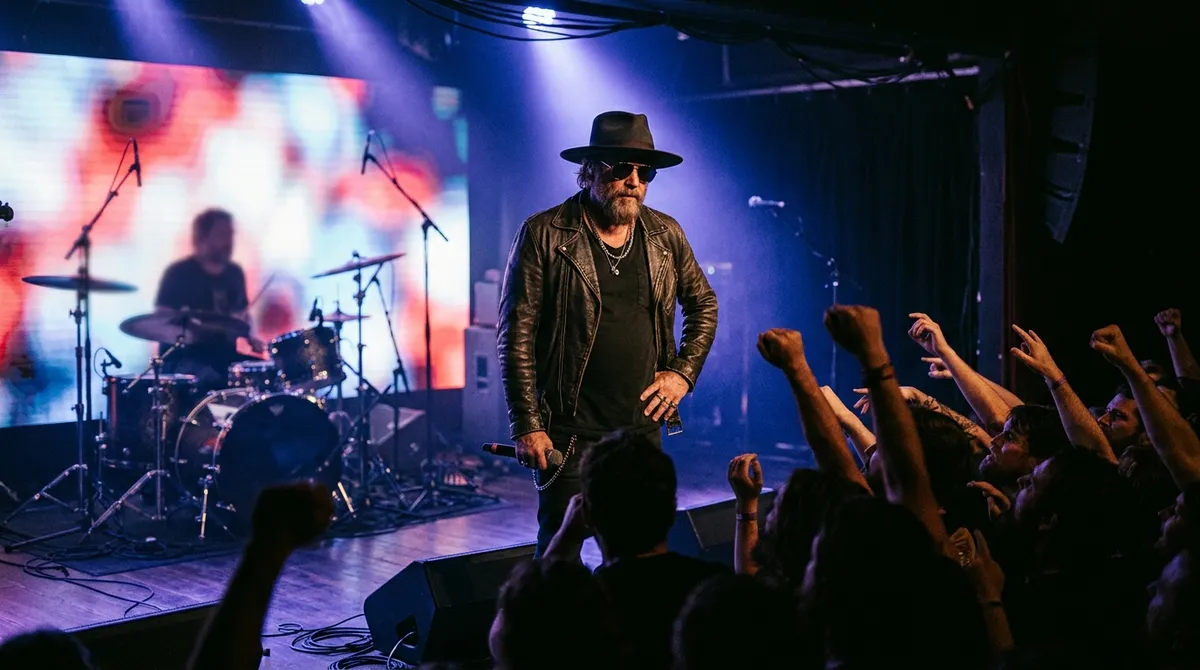
The Black Crowes' lead singer Chris Robinson found himself at the center of controversy during the band's Tampa concert when a seemingly spontaneous moment turned into a heated confrontation with fans. According to reports, the incident began when the crowd chanted "USA! USA!" in response to a patriotic video graphic during the show.
Robinson, 59, responded with sarcastic remarks about American pride, which immediately sparked boos from the audience and prompted some fans to leave the venue early. The clash occurred during the band's stop at Midflorida Credit Union Amphitheatre as part of their summer Southern Hospitality Tour.
Social Media Amplifies the Moment
What happened next demonstrates how quickly a live concert moment can escalate in today's digital landscape. The incident rapidly gained traction on social media, with footage and reactions spreading across platforms within hours. The online response included calls for boycotts, highlighting how a single moment can fracture a decades-long fanbase.
The social media pile-on transformed what might have been a brief concert incident into a viral controversy, with fans taking sides and debating the appropriateness of Robinson's comments during a paid performance.
A Pattern of Outspokenness
This isn't the first time Robinson has found himself in hot water for his outspokenness. According to reports, he has a history of making controversial statements, including an incident during a ZZ Top tour in 1991. This background raises questions about whether artists can truly separate politics from performance, especially when they have established patterns of political commentary.
The Great Divide: Generational and Cultural Tensions
The Tampa incident reflects broader tensions within The Black Crowes' fanbase and the music industry at large. Reports suggest a generational divide has emerged, with longtime fans who have supported the band for over 40 years feeling alienated, while younger audiences may expect political commentary from artists.
This cultural clash raises fundamental questions about the relationship between performers and their audiences. On one side is the argument for artistic freedom of expression, while on the other is the expectation that fans attending a concert are "just here for the music" and shouldn't have to navigate political statements during entertainment they've paid to enjoy.
Artist Rights Versus Fan Expectations
The controversy touches on a recurring debate in entertainment: when does speaking your mind cross the line at a paid concert? Some argue that artists have the right to express their views on any platform, including during live performances. Others contend that concert-goers have paid for musical entertainment, not political commentary.
This tension between artist censorship and fan entitlement has become increasingly prominent as touring bands navigate polarized audiences. The question of whether it's realistic to expect completely apolitical entertainment in today's climate continues to challenge both performers and promoters.
Broader Cultural Context
The Tampa incident exemplifies how artist-audience conflicts over politics and patriotism remain flashpoints in American culture. As bands tour across diverse regions with varying political leanings, moments like these highlight the challenges of maintaining broad appeal while staying true to personal beliefs.
The Black Crowes' controversy also demonstrates how social media has fundamentally changed the stakes for live performance moments. What once might have remained a local incident between artist and audience can now become national news within hours, potentially affecting tour sales, streaming numbers, and long-term career prospects.
As The Black Crowes continue their Southern Hospitality Tour, the Tampa incident serves as a reminder of the complex dynamics between artists, audiences, and the broader cultural conversations that increasingly intersect with live music experiences.